#BreakingBarriersBuildingReaders
-
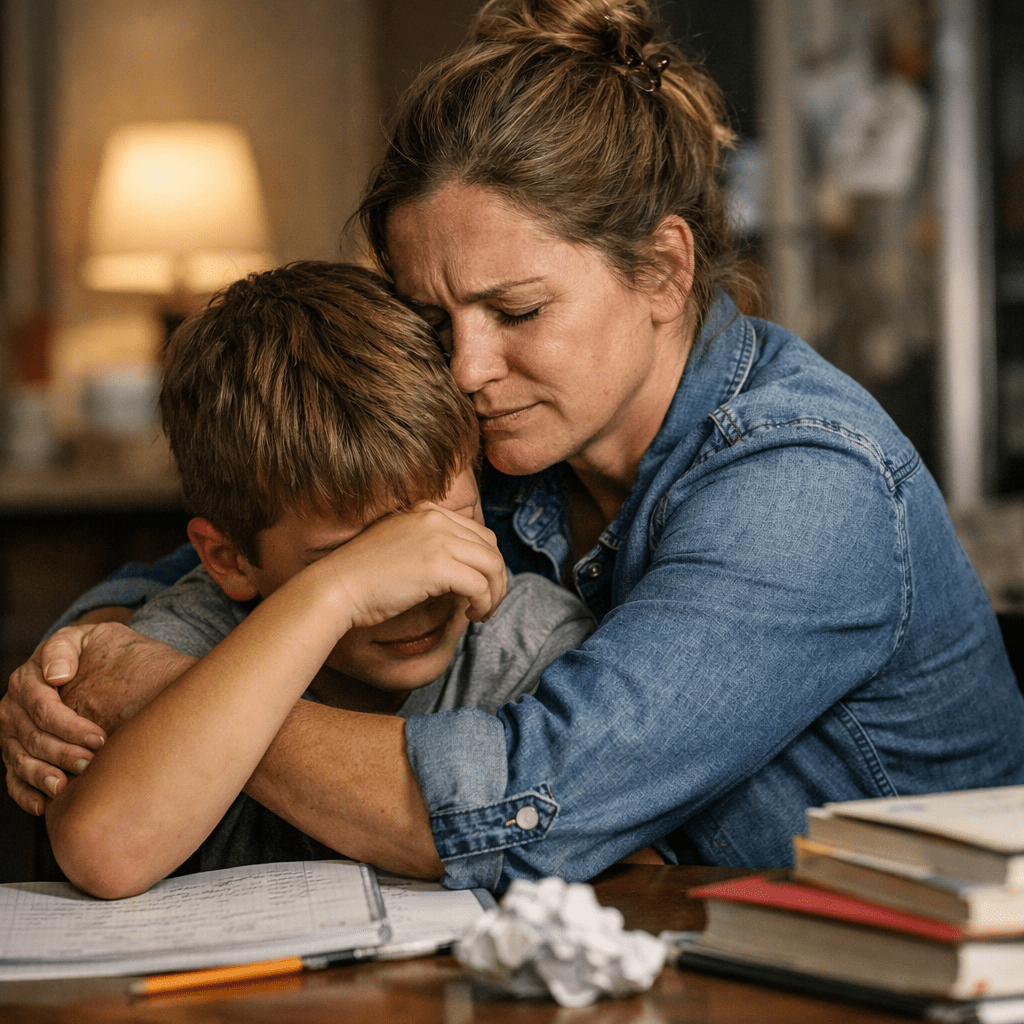
This piece explores the emotional reality of raising a child with dyslexia and how behaviors that appear defiant are often rooted in frustration, exhaustion, and unseen learning struggles. It offers perspective and encouragement for parents, helping them better understand what their child may be experiencing while emphasizing patience, support, and greater awareness of the challenges…
-

Dyslexia is more than just a reading difficulty; it’s an emotional journey that slowly turns ‘I can’ into ‘I can’t.’ Parents face the challenge of watching their children’s confidence erode. At Illuminations Center for Dyslexia, we help families understand that dyslexia is a unique brain processing difference, not a measure of intelligence or laziness.
-

Chapter 2: Learning the Hard Way Hawaii sounded like paradise. When I first stepped off the plane, the warm air, palm trees, and oceanbreeze made me believe that maybe this was a new beginning — achance to build a real family, to give Devin the life I never had. I wantedto believe in happy endings.…
-
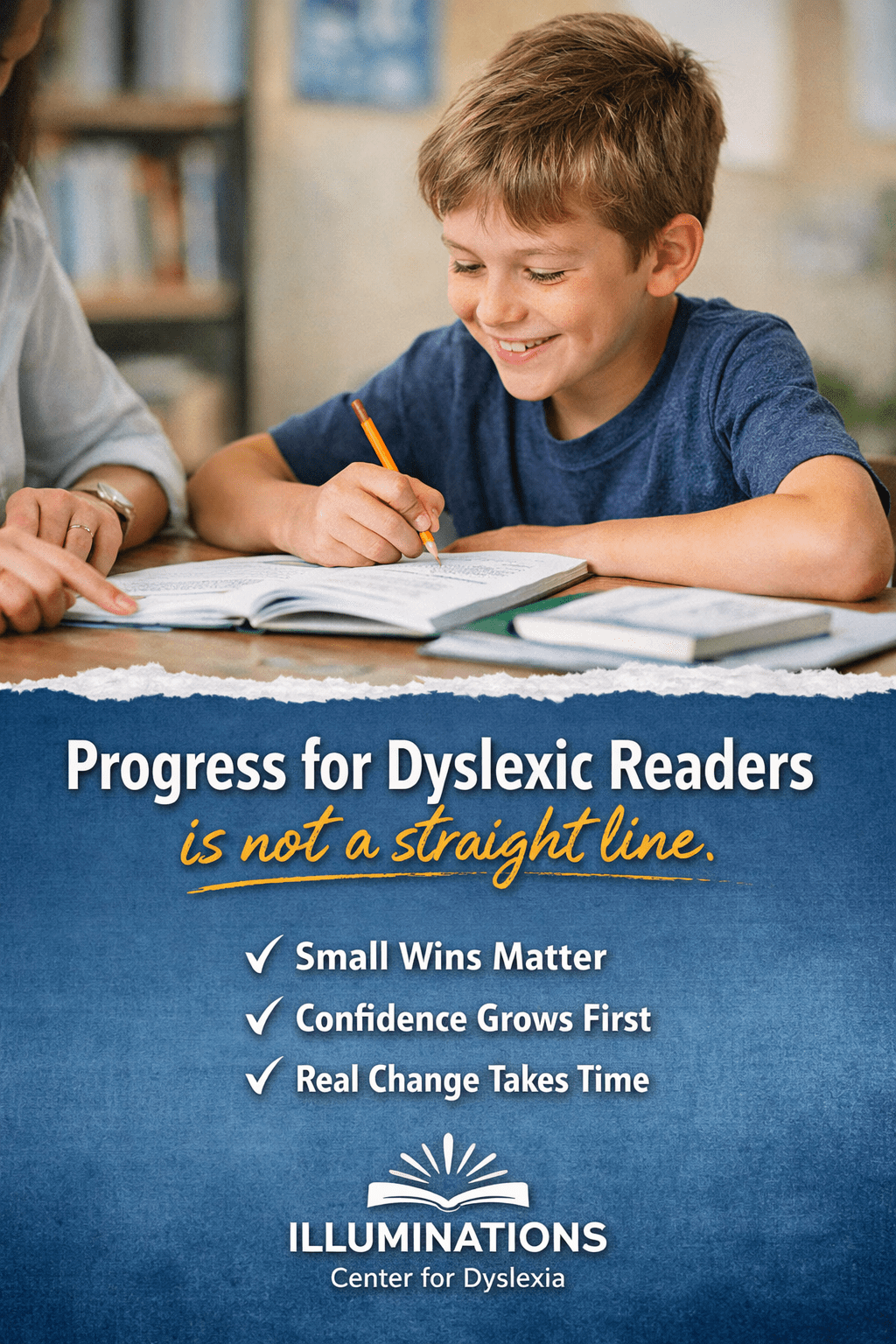
Progress for dyslexic readers is rarely linear—and that doesn’t mean intervention isn’t working. Growth often happens in layers, with confidence, decoding skills, and stamina improving long before test scores reflect the change. For parents—especially those with 3rd graders facing high-stakes testing—it’s important to remember that a single assessment does not define a child’s intelligence or…
-

Behind cold steel bars, an open book rests on a scarred metal table — quiet, almost forgotten. The cell is confined, the air heavy, the future uncertain. And yet, there it is: words waiting to be understood. It makes me wonder how many lives might have unfolded differently if those pages had been opened sooner…
-
As we step into this new year, I am choosing intention over resolution. Instead of striving for perfection, I am committing to consistency. Showing up for my children every day—advocating, supporting, encouraging, and reminding them that a test score does not define who they are or what they are capable of becoming. Showing up for…
-
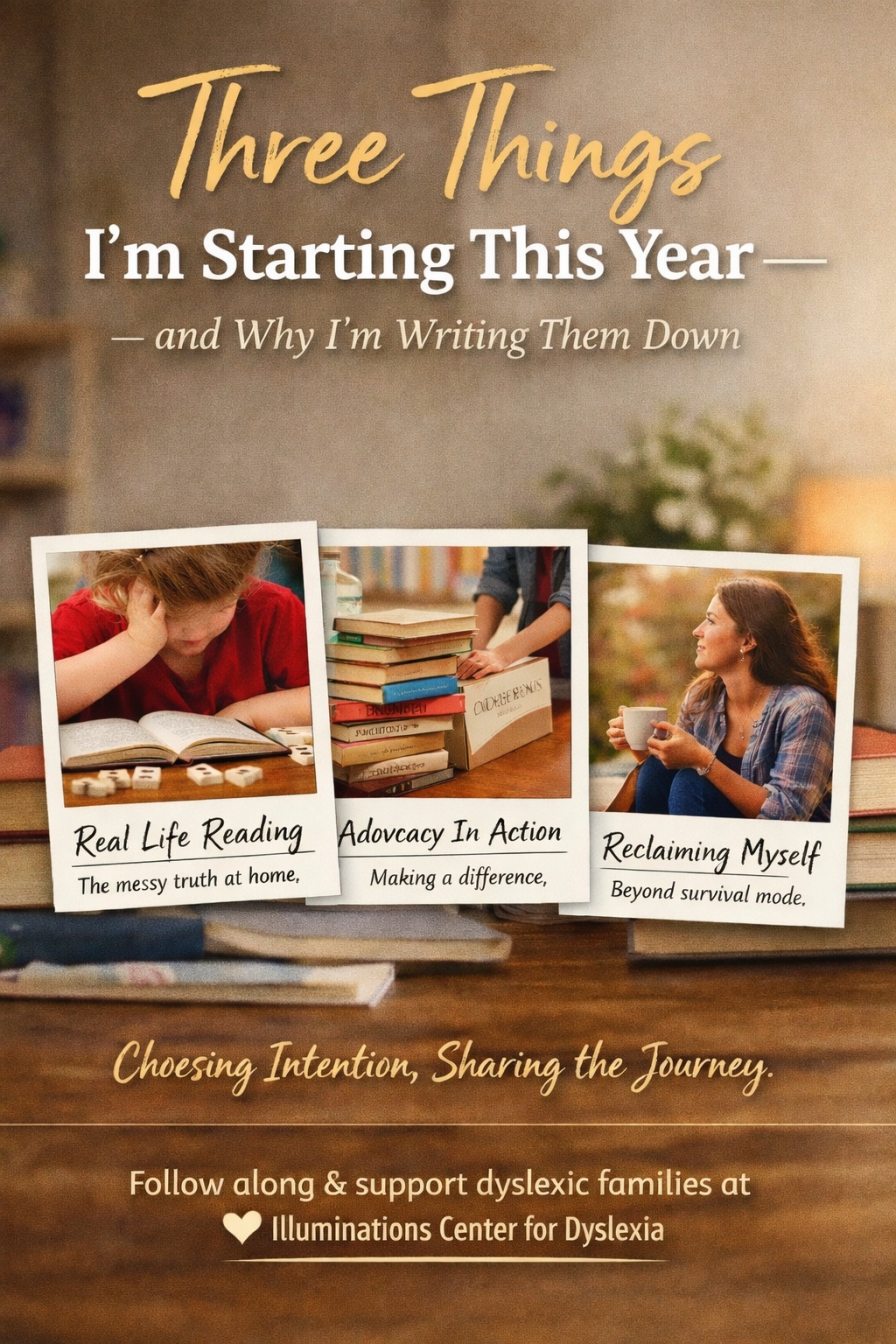
I have learned that if I don’t pause long enough to name what I’m doing, life will simply keep happening to me.And while there is nothing wrong with surviving seasons, I am no longer willing to live only in reaction mode. This year, I am choosing intention. Not perfection.Not aesthetic routines.Not resolutions designed to be…
-
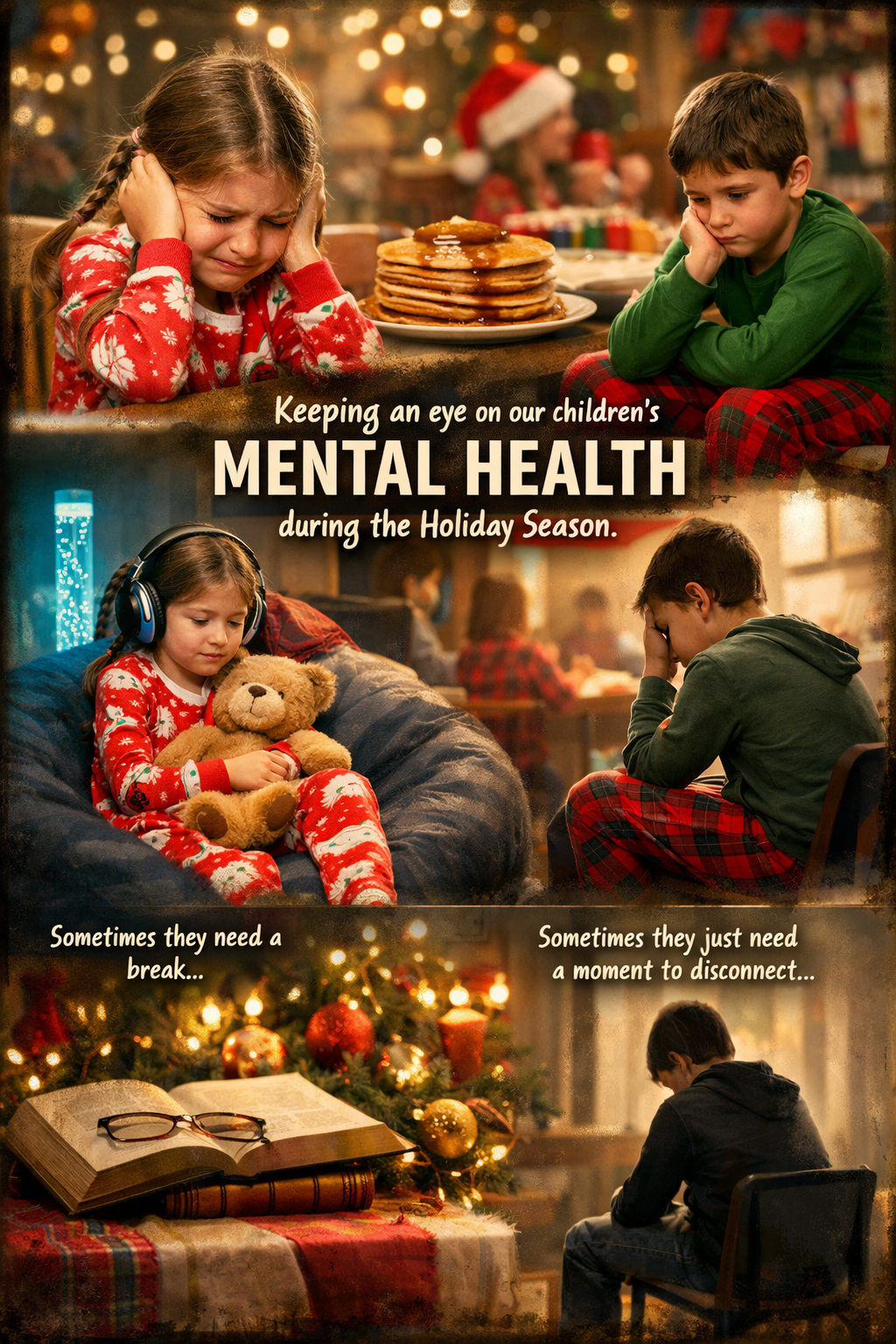
Last night, after a full day of tutoring and church, we headed straight into our church’s Pajamas and Pancakes Christmas party. Wednesdays are already our busiest day of the week—tutoring earlier in the day, church right after, and very little margin for rest in between. On paper, it sounds festive and joyful. And it was—but…
 Control Chaos Daily Grind